
Fire Resistance of Lithium Batteries
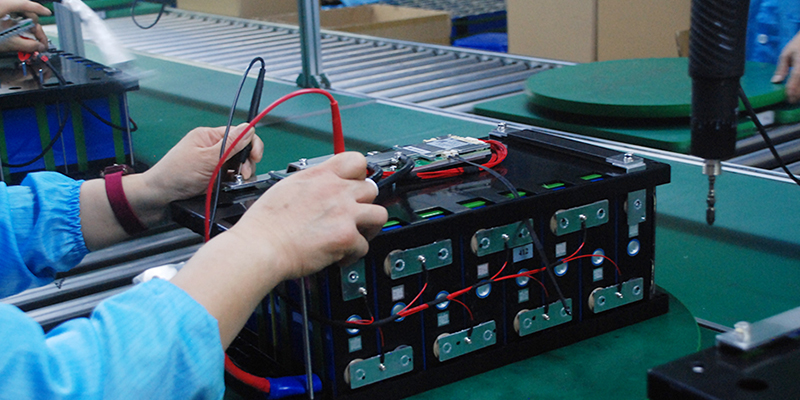
The fire resistance and flame retardancy design of lithium battery is an important aspect of ensuring battery safety during use and storage. The electrolyte and other chemicals inside lithium batteries are prone to ignition, especially under conditions such as overcharging, short-circuiting, or impact.
Causes of Fire or Explosion:
Overcharging: When a battery is overcharged, the temperature inside the battery increases rapidly, potentially triggering electrolyte decomposition, which releases flammable gases.
Short Circuit: In the case of a short circuit, the excessive internal current leads to localized overheating, which could cause the electrolyte to decompose or catch fire.
Mechanical Damage: If the battery casing is damaged, causing internal structural failure, electrolyte leakage or thermal runaway could result in a fire.
High Temperature Environments: Prolonged exposure to high temperatures accelerates electrolyte decomposition, increasing the risk of combustion.
To prevent fires and battery explosions, many lithium battery manufacturers and researchers have adopted the following fire-resistant and flame-resistance measures:
1. Improvement of Electrolyte Flame Resistance
Some high-performance lithium batteries use flame-resistance electrolytes or replace liquid electrolytes with solid-state electrolytes. One of the main advantages of solid-state batteries is their low flammability, effectively reducing the risk of fire.
Here are some common types of flammable electrolytes, which mainly refer to electrolyte components that could trigger fires or explosions under uncontrolled conditions:
Organic Solvent-based Electrolytes:
-Dimethyl Carbonate (DMC)
-Ethylene Carbonate (EC)
-Diethyl Carbonate (DEC)
-Propylene Carbonate (PC)
Lithium Fluoride Salts in Electrolytes
Phosphate-based Electrolytes
Chlorine-containing Solvents in Electrolytes
Unstable Electrolyte Formulations
Types of Solid-state Electrolytes
There are several types of solid-state electrolytes, including:
Ceramic-based Electrolytes:
Lithium Lanthanum Zirconate (LLZO)
Lithium Phosphorus Oxynitride (LiPON)
Garnet-type Electrolytes
Polymer-based Electrolytes:
Polyethylene Oxide (PEO)
Polyvinylidene Fluoride (PVDF)
Sulfide-based Electrolytes:
Li2S-P2S5 (Lithium Sulfide-Phosphorus Sulfide)
2. Battery Case and Protective Materials
Flame-resistance Casings: Many lithium batteries use flame-resistance casing materials (such as plastics and aluminum alloys) to enhance the fire resistance of the battery. These casings help to suppress flame spread in case of overheating or short circuits.
For example, following are the plastics materials that has fire resistance:
- Polycarbonate (PC)
- Polypropylene (PP)
- Polyvinyl Chloride (PVC)
- Flame-resistanceNylon (PA)
- Polyester (PET)
- Epoxy Resin (EP)
- Polytetrafluoroethylene (PTFE)
- Flame-resistanceABS(Acrylonitrile Butadiene Styrene)
- Polystyrene (PS)
- Polyetheretherketone (PEEK)
Fire-resistant Insulation Materials: Some batteries also use insulation materials inside the battery to prevent the fire from spreading when the battery is exposed to heat.
3. Thermal Management System
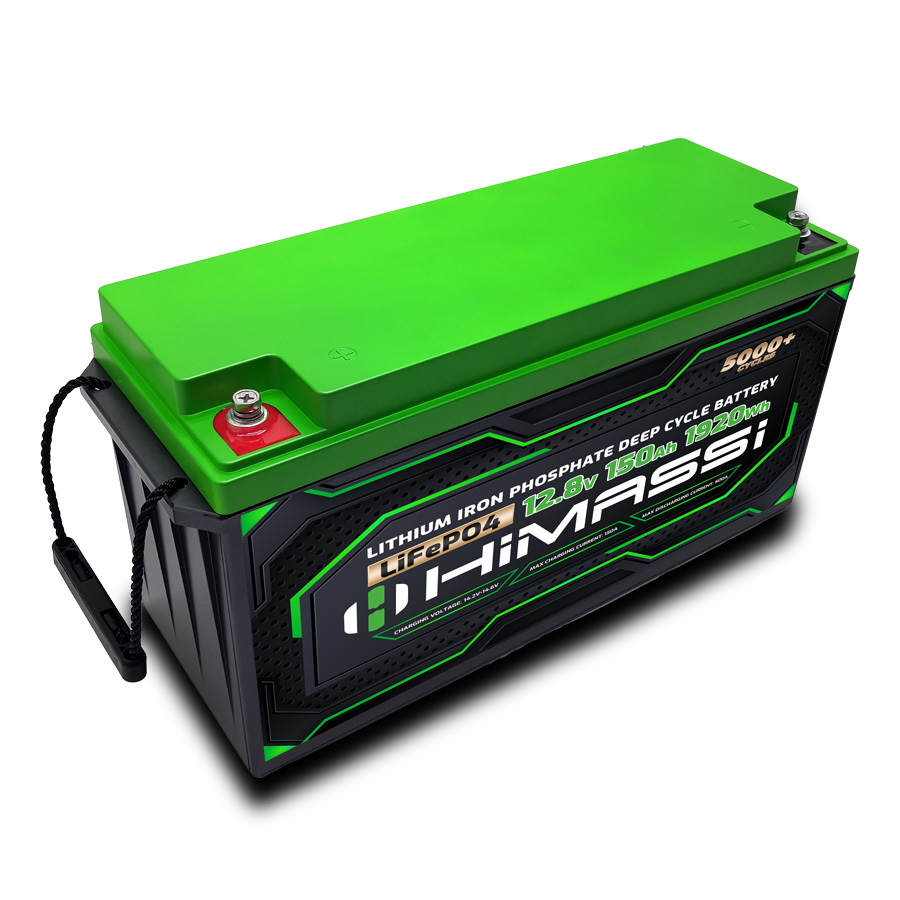
Thermal Management BMS (Battery Management System): Some batteries’ BMS are equipped with thermal management systems that monitor battery temperature in real-time and disconnect the battery in case of overheating to prevent thermal runaway.
Heat Dissipation Design: By designing the battery pack with proper arrangements and ventilation, the risk of battery overheating is reduced.
For example, heat sinks or enhanced ventilation systems are added to ensure heat dissipation.
4. Use of Flame-resistance Additives
Flame resistances (such as phosphate-based compounds or nitrogen-containing compounds) are added to the electrolyte or solid-state electrolyte to improve fire resistance. These flame resistances form a protective layer inside the battery, isolating oxygen and reducing the chance of fire.
5. Thermal Protection Devices
PTC (Positive Temperature Coefficient) Thermal Protectors: These thermal protectors automatically increase resistance when the battery temperature becomes too high, limiting current flow and preventing overheating or short-circuit-induced fires.
Fuses: In the event of overcurrent, fuses automatically disconnect the circuit, cutting off the current to prevent fire.
NTC (Negative Temperature Coefficient) Thermistors : Widely used as thermal protection devices in electronic systems, including batteries, to prevent overheating and ensure the safe operation of devices. NTC thermistors are key components in many Battery Management Systems (BMS) and other thermal protection applications due to their unique characteristics.
6. Thermal Runaway Design
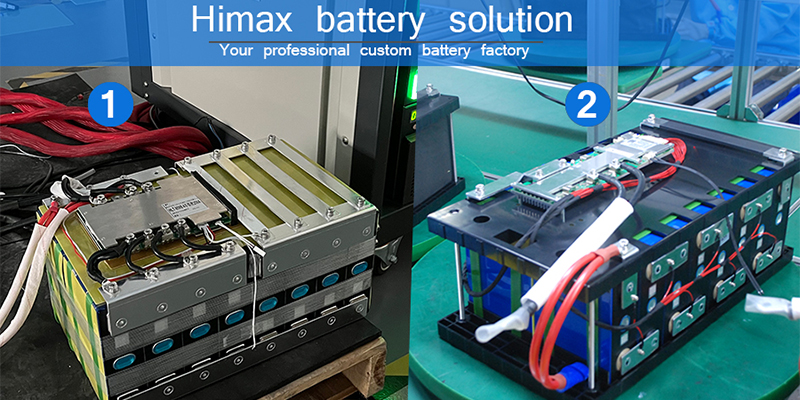
Thermal runaway refers to the rapid increase in temperature caused by internal or external factors (such as overcharging or short circuits), which ultimately leads to a fire. To prevent thermal runaway, some lithium batteries are designed with multiple protective measures, such as internal isolation and built-in heat dissipation channels, ensuring rapid heat dissipation in the event of thermal runaway, preventing the spread of fire.
These fire-resistant and flame-resistance designs effectively improve the safety of lithium batteries during use. However, even with these fire protection measures, proper usage and maintenance are still key to ensuring battery safety. For example, do not expose batteries to high temperatures, avoid overcharging or deep discharging, and prevent mechanical shock to the battery.